DT Painting & Services
About 7 mi from our home base in Malden.

Painting and remodeling in Reading, MA.

Reading sits on the headwaters of the Saugus and Aberjona, with the Ipswich River on its north edge. Old West Street houses, low wet lots and post-war streets each get their own plan.

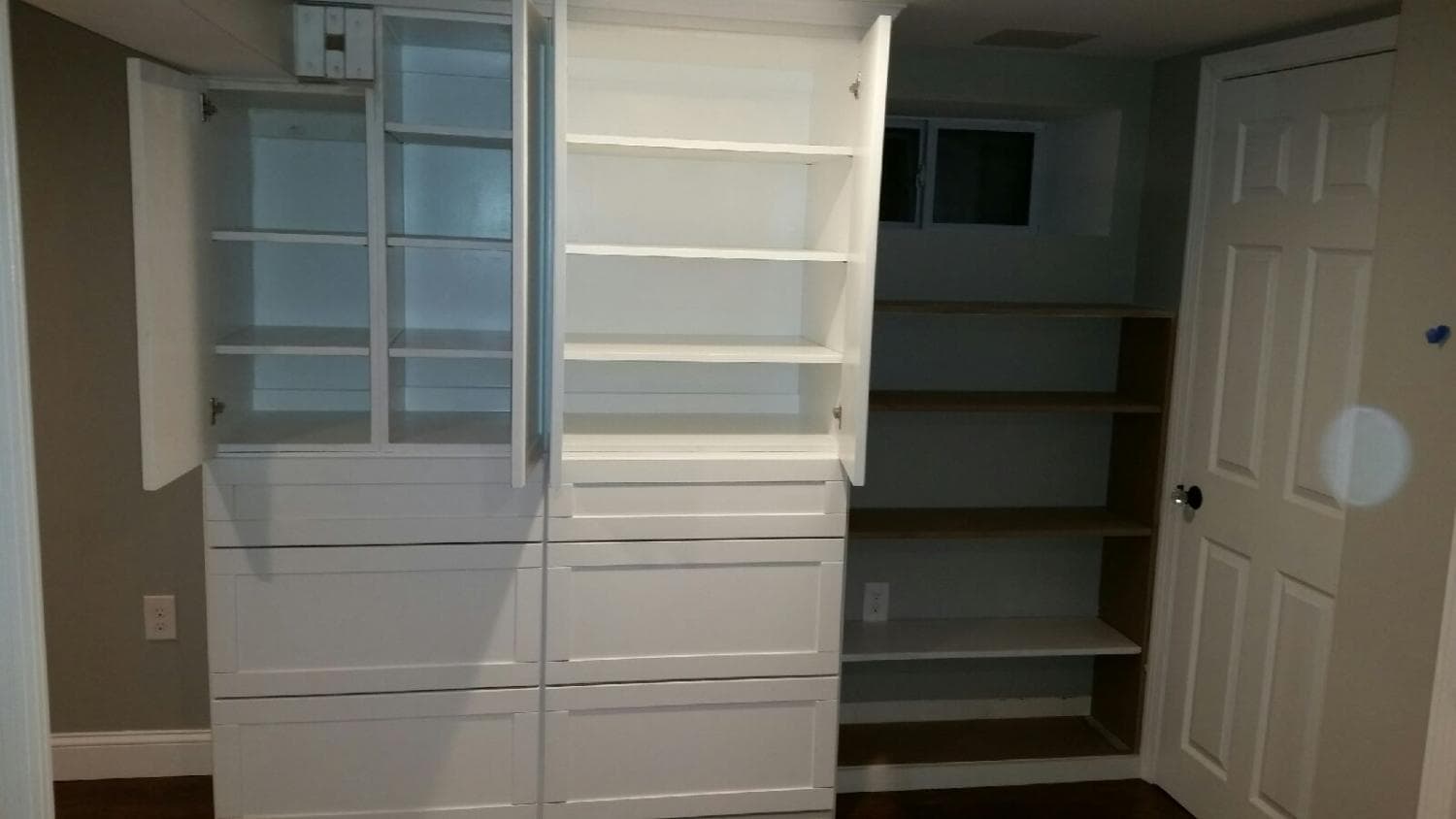
Custom built-in cabinets with glass-front uppers and drawersOur work around the North Shore

Estimate request: Reading

Free · no obligation · we call back within 1 business day

Reading at a glance.

Land area
Just under 10 square miles (6,388 acres)source
Distance from Boston
12.5 miles northsource
Wet ground
Swamps, wetlands and floodplain cover more than 30% of townsource
High point
Dobbins Hill, 232 feet above sea levelsource
Oldest homes
Built 1650 to 1830, along the earliest streetssource
Post-war growth
About 3,700 housing units added from 1950 to 1980source
Drinking water
All from the MWRA since September 2006source

What Reading's bylaws ask of a job.

Five local rules we read before we price anything here. Each one links back to the town document it came from.

West Street Local Historic District certificate

Inside Reading's Local Historic District, exterior changes visible from a public way need a certificate from the Historic District Commission before the town issues a building permit. Paint color, storm windows and gutters are excluded, but siding, windows, roofing, outside stairs and roof decks are reviewed.

[1][2]

Up to six months of demolition delay

For a building on Reading's List of Historic Structures, the Historical Commission holds a hearing on any demolition permit and can impose a delay of up to six months. The commission's rules say it weighs interior and exterior features. Houses inside the Local Historic District fall under that bylaw instead.

[1][2]

Wetland buffer and No-Structure Zone

Work within 100 feet of a wetland, stream or pond can need a Conservation Commission filing in Reading. The regulations usually expect a 25-foot strip of natural vegetation, keep new footings and other in-ground structures 10 feet beyond that, and stop overhangs 7 feet from it.

[1]

Construction hours bylaw

Reading's bylaw allows permitted construction from 7 a.m. to 8 p.m. on weekdays and 7 a.m. to 5 p.m. on Saturdays, with set-up and deliveries from 6:30 a.m. No construction on Sundays or legal holidays.

[1]

Project-specific permit papers

Reading's Building Division lists what each project needs on the OpenGov portal. Decks need a plot plan and a statement that the prescriptive wood deck guide will be followed. Kitchens need stove specs, the window order and hood CFM. Basement and attic renovations get a site visit before the permit.

[1][2]

Statewide, in every town

One statewide building code. Massachusetts uses a single building code for every town: 780 CMR, now in its tenth edition. Your local building department enforces it and issues the permits. source

Dig Safe before digging. State law requires notice to Dig Safe at least 72 hours before digging, not counting weekends and legal holidays. That includes holes for deck footings. Call 811. source

Site conditions

Rock on the ridge, peat in the hollows.

The town's open space plan describes Reading as gentle glacial hills split by ravines. Bedrock pokes through on hilltops along the central ridge in the southwest and middle of town, and the till left behind ranges from boulders to fine sand.

The low side is the opposite problem. Muck and peat sit around North and South Cedar Swamp, Timberneck Swamp and along the Ipswich and Aberjona. The plan says the Aberjona and Saugus were channelized and riprapped years ago, and houses on that low ground now often get nuisance water in basements and yards.

So a footing on the ridge can hit rock a foot down, and one near a swamp edge can find soft ground. We dig a test hole before we commit to a footing size.

Parts of town that change the plan.

West Street

The Local Historic District. First settlement, militia muster ground in 1775, and houses from the mid-1700s through the post-war years.

The early streets

South, Walnut, Washington, Haverhill, Salem, Ash, Lowell, Franklin, Pearl and Mill hold many of the 1650-1830 houses. A demolition there may face the Historical Commission.

Downtown and the Depot

Older single, two and multi-unit homes on small lots, stretching west from Reading Depot. Tight staging, so the dumpster spot gets planned first.

The north edge

Ipswich River country. The open space plan puts most of the quiet, wetter open land up north, so expect more Conservation Commission paperwork.

Post-war streets

Reading added about 3,700 housing units from 1950 to 1980. Many of those kitchens, baths and basements are due for their first real redo.

Paint colors are yours, even on West Street.

Reading's Local Historic District bylaw leaves exterior paint color out of the commission's review, and the design guidelines list paint color as exempt. Siding, windows, roofing and roof decks are a different story.

Once called Wood End.

Reading was first known as Wood End for its trees, the open space plan says, and it grew from scattered farms into a village, then a small manufacturing town, then a suburb. By 1870 there were roughly 520 homes and 237 barns.

Before the 1970s wetland laws, a lot of low ground here was drained and filled for houses and industry. Many of today's ball fields sit on filled wetland. That history is why the Conservation office comes up on so many Reading jobs.

Questions Reading homeowners ask.

No, not for color. Reading's bylaw excludes exterior paint color from review. Replacing siding, windows or trim with something different does need a certificate first.

Towns around Reading.

Area not listed? Call 781-866-6546. We travel for the right job.

Need work done in Reading?

Send a request or give us a ring. We'll come out to Reading, look at the job and give you a written price. Free.

DT Painting & Services logo on a yard sign
Free estimates
781-866-6546