You asked three contractors for a price. Now you've got three pieces of paper with three very different totals, and it's hard to tell why. The trick is to stop looking at the bottom line first. Read each estimate for what it includes, what it leaves out and what it assumes. Usually, the numbers are different because the jobs are different.
This works the same whether you're pricing a kitchen, a paint job, a basement or a deck.
Start with the scope, not the price.
The scope is the written description of the work. A clear scope tells you exactly what you're getting. A vague one leaves room for surprises. Lay the estimates side by side and check whether each one names:
- The rooms or areas. Which walls, which rooms, which side of the house.
- What gets removed. Old cabinets, tile, flooring, wallpaper or rotted boards, and where the debris goes.
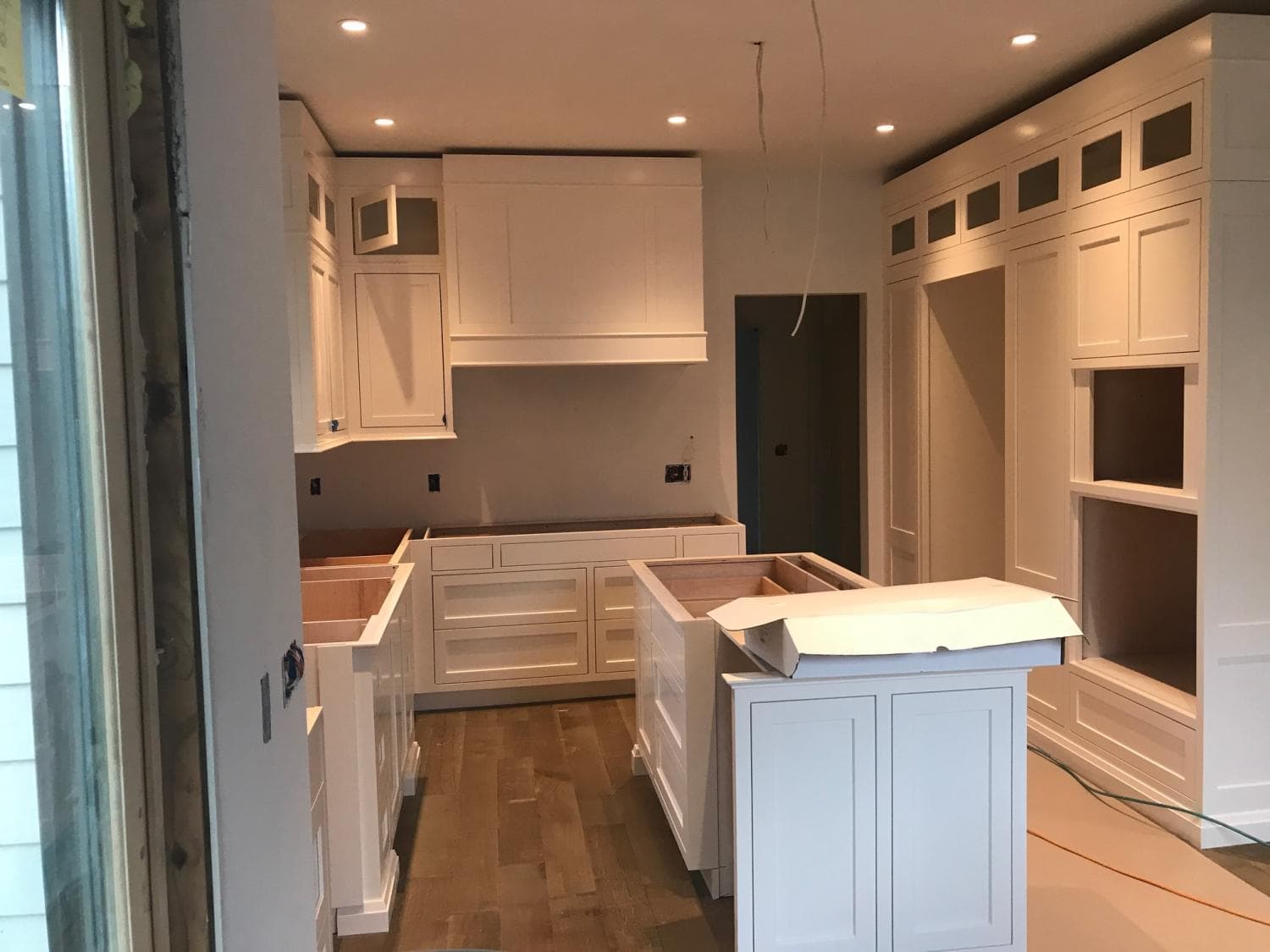
- What gets built or installed. Cabinets, tile, trim, built-ins, floors, railings.
- What gets repaired first. Plaster, subfloor, drywall, rot, water damage.
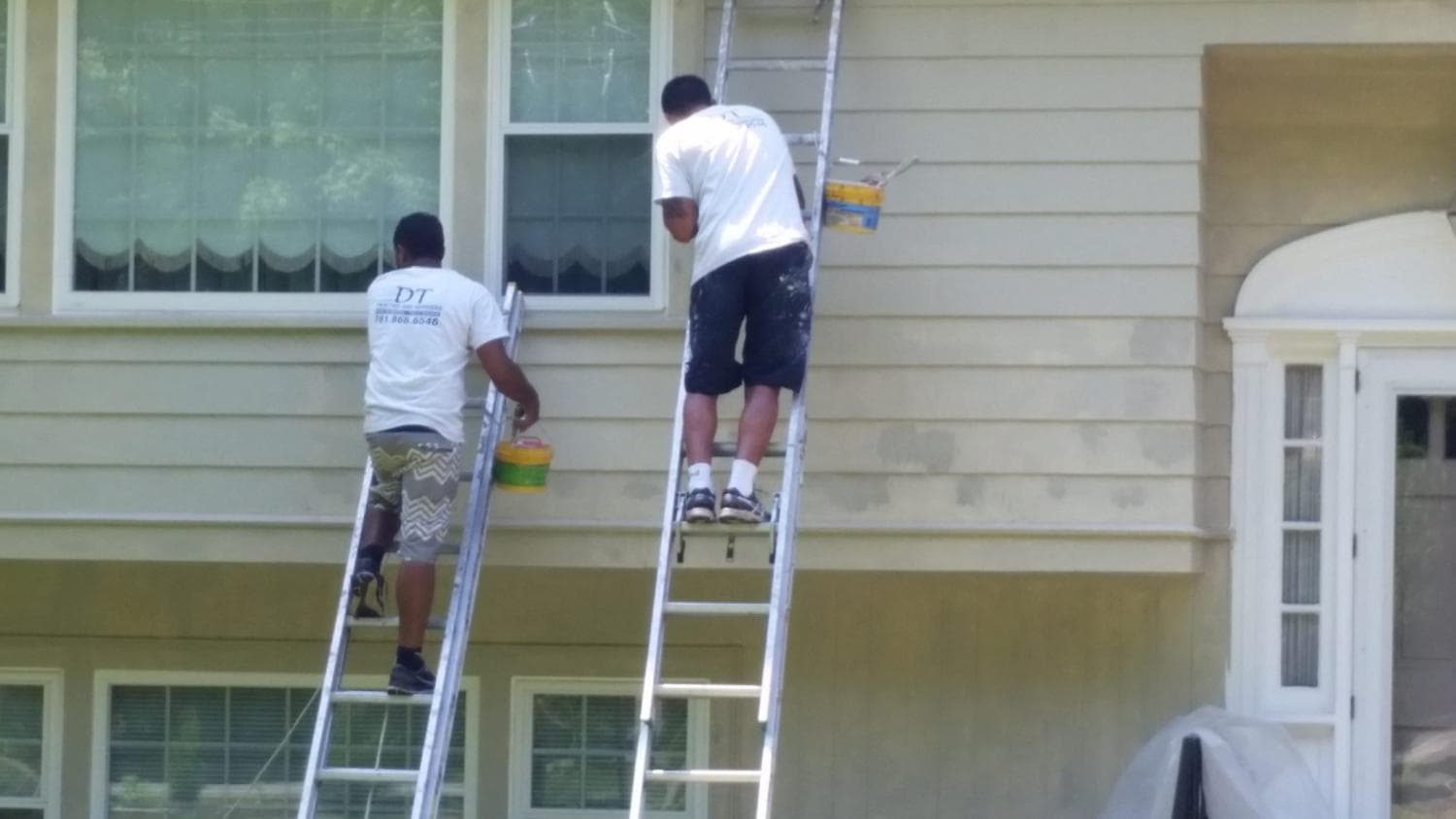
- Coats and finishes. For painting, how many coats and which surfaces: walls, ceilings, trim, doors.
- What's not included. A good estimate says what it leaves out, too.
Prep, protection and cleanup.
This is where cheaper bids often cut corners, because prep and cleanup take time and nobody sees them in the final photos. Ask how each contractor handles:
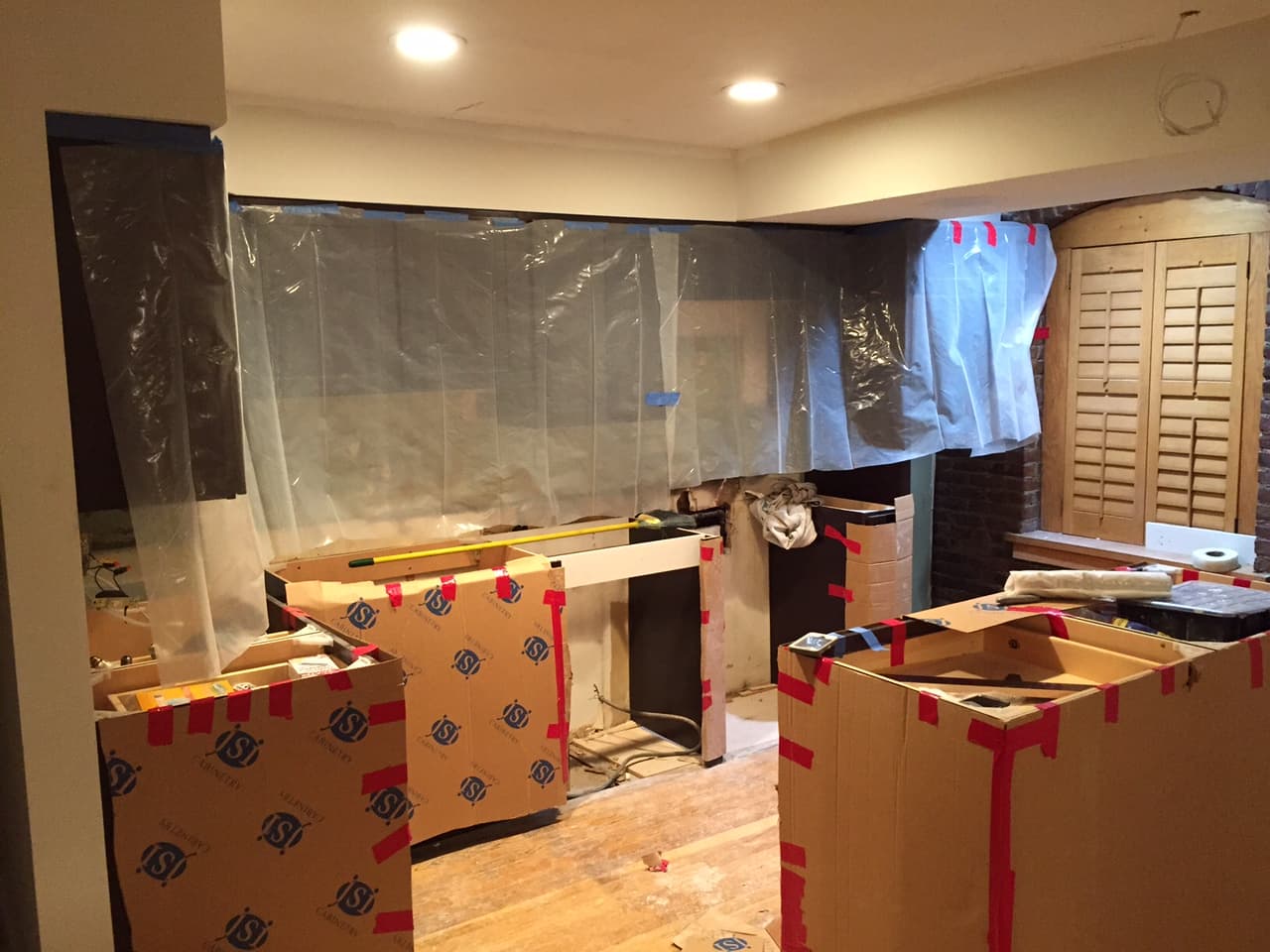
- Covering floors and moving or protecting furniture.
- Containing dust so it doesn't spread through the house.
- Surface prep: scraping, sanding, patching and priming before paint.
- Daily cleanup vs. one big cleanup at the end.
- Hauling away debris and old materials.
- The condition they leave the house in when they're done.
Materials and allowances.
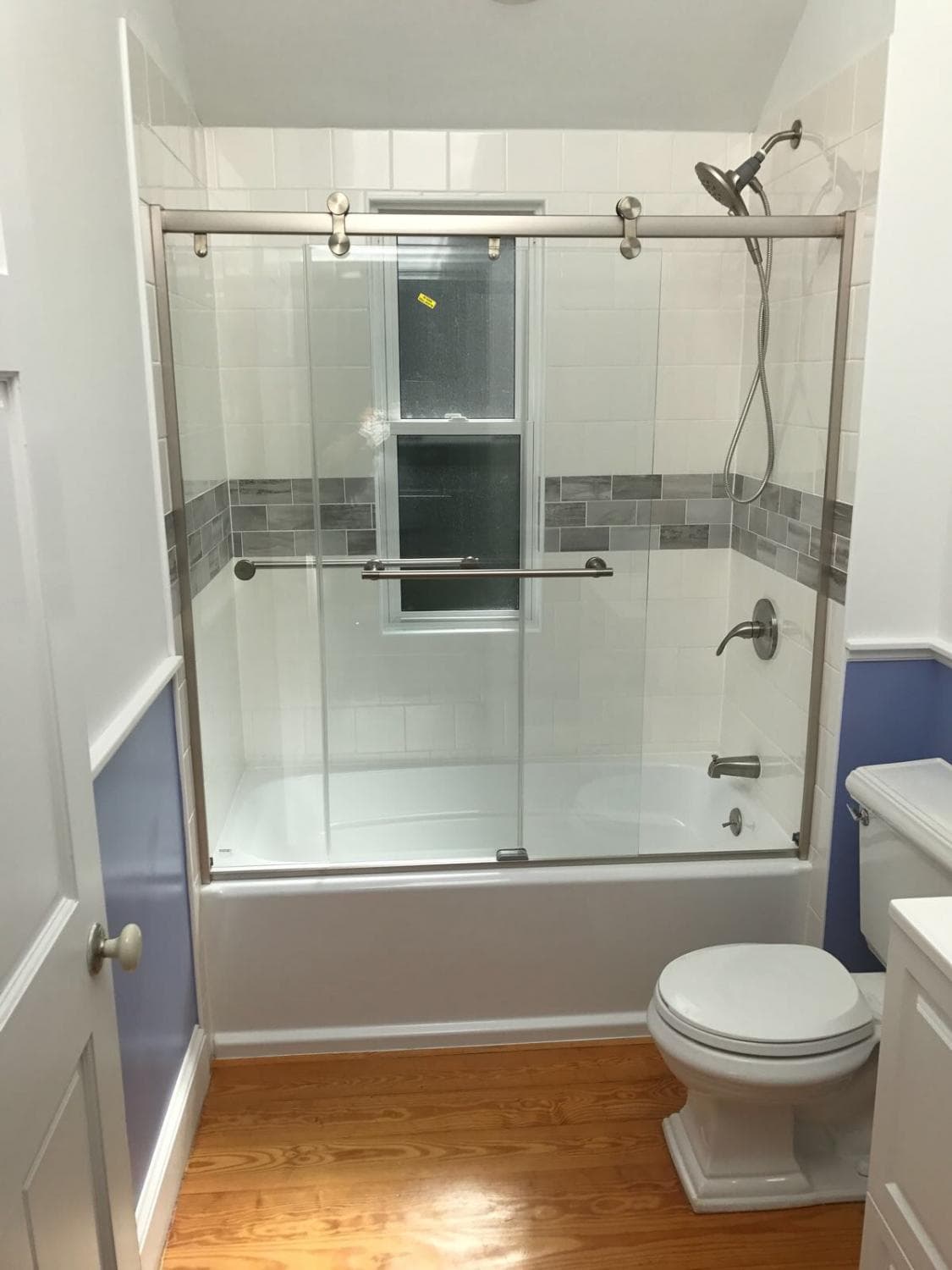
Two estimates can price the same tile shower and still be far apart, because one is pricing basic materials and the other is pricing nicer ones. Check how each estimate handles materials:
- Included and specified. The estimate names the type or grade of material. Easiest to compare.
- Allowance. The estimate includes a set amount for things you'll pick later, like tile, fixtures or hardware. If your choices cost more, you pay the difference. Check that the allowance is realistic for what you have in mind.
- Supplied by owner. You buy it, they install it. Make sure you know who orders it, who's responsible if it arrives damaged, and when it has to be on site.
For a kitchen or bath, also ask how the estimate handles plumbing and electrical work, which are part of almost every remodel. Some contractors include those trades, and some expect you to hire them. Either way, you should know before you sign. Permits are the same story: ask what the job needs and who pulls them, since rules vary by town. Our service areas pages cover local details.
Schedule and payment terms.
A start date alone isn't a schedule. Ask how the work will be sequenced, who will be in your house and who is in charge on site. If the job involves several trades, find out whether one crew handles them or you'll be coordinating several contractors yourself.
On payment, the safest setup ties payments to finished stages of work, not to dates on a calendar. Make sure the estimate or contract spells out:
- The deposit, if any, and what it covers.
- What has to be finished before each payment is due.
- How changes are handled, priced and approved in writing.
- What happens if the job hits something hidden, like rot behind a wall.
- The final payment, and what "finished" means.
Reliability matters as much as the paperwork. As one customer, Tom J., put it after his kitchen remodel: "A complete remodel of our kitchen and we couldn't be happier. The guys were hard working, efficient and always on time."
Red flags, and why the cheapest number can cost more.
The lowest bid is sometimes a fair price from an efficient contractor. Sometimes it's low because pieces of the job are missing, and those pieces come back later as extra charges. Watch for:
- A one-line estimate with no breakdown of the work.
- No mention of prep, protection or cleanup.
- Pressure to sign today to "lock in" the price.
- A big payment up front before any work starts.
- No written estimate at all, just a number said out loud.
- Allowances that are clearly too low for the finishes you described.
- Answers that change when you ask the same question twice.
Skipped prep is the quiet one. A paint job without scraping and priming looks fine at first, then peels and has to be redone. A tile floor laid over a soft subfloor cracks. Either way, the savings disappear.
- What exactly is included, and what isn't?
- How will you protect my floors and furniture?
- Who will be working in my house, and who's in charge on site?
- Do you handle all the trades, or will others be involved?
- How do you handle changes and surprises?
- When are payments due, and what triggers each one?
- How do you clean up during the job and at the end?
- Can I see photos of similar work?
The same approach works for any trade. Whether you're pricing interior or exterior painting or built-ins and trim, the clearest estimate is usually the one to trust. When you're ready, request a quote and compare ours line by line.
Common questions
Get enough to see a pattern, often a few. More than that usually adds confusion rather than clarity.
Not automatically. First check that it covers the same scope, prep and materials as the others; a low price with missing pieces often costs more by the end.
A clear scope of work, materials or allowances, prep and cleanup, a schedule and payment terms tied to finished stages of the job.