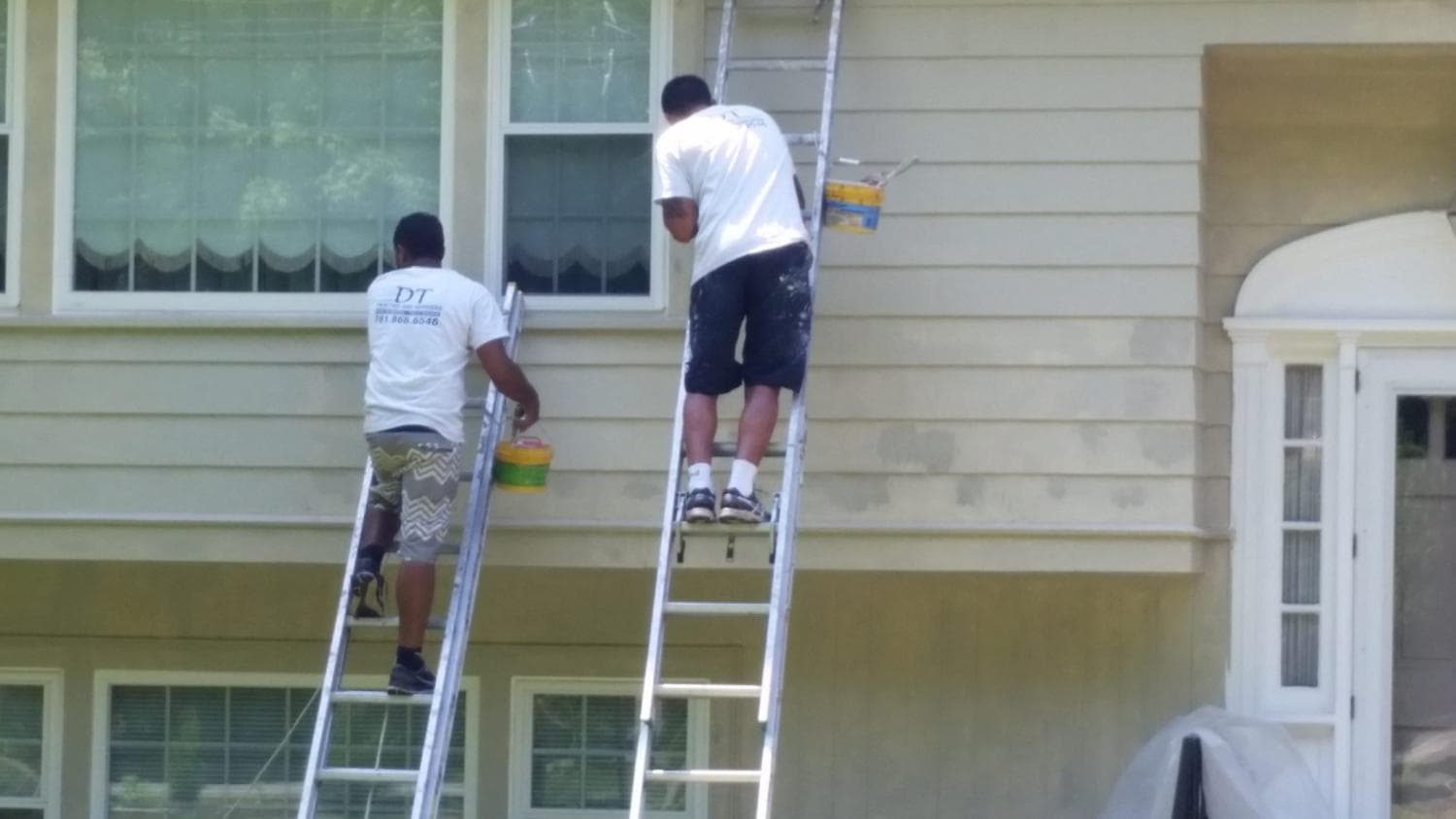
Here in Massachusetts, outside paint has a season, and it's shorter than most people think. Winter is out. Early spring is usually too cold and too wet. Late fall can work, but the good days get scarce fast. That leaves late spring through early fall as the main stretch, and every painting contractor in the region is trying to fit their whole exterior schedule into it.
So the real question isn't just "what month?" It's what the weather is doing on the actual days your house gets painted, and how early you get on someone's list.
The short answer: late spring through early fall.
Paint needs mild, dry weather to stick and cure properly. In New England that mostly means the stretch after the spring rains settle down and before the cold nights of late fall. Summer is fine too, as long as you work around the hottest part of the day and the sun beating on one side of the house.
Inside that window, the calendar matters less than the forecast. A cool, dry day in September is often better for paint than a sticky, stormy week in July.
Read the can, then read the weather.
Every can of exterior paint lists a minimum temperature on the label. That number applies to the air and to the surface you're painting, and it has to hold while the paint dries, not just while the brush is moving. Products differ, so the label on the can you're actually using is the rule. Not a neighbor's advice, and not a number from the internet.
Morning dew
Siding can be soaking wet at dawn even when it didn't rain. Paint brushed onto damp clapboards won't bond well and can blister or peel later. A good crew waits until the dew has burned off and starts on the side of the house that dried first.
The evening cool-down
This is the one people forget. A warm afternoon can turn into a cold, damp evening, and fresh paint that cools down and collects moisture before it sets can end up blotchy or soft. Late in the season, that means quitting earlier in the day so the last coat has time to firm up before the temperature drops.
Rain
Wet wood doesn't take paint well, and rain on a fresh coat can streak it or wash it right off. After a soaking storm, siding needs time to dry out before work starts again. That's why exterior jobs get rescheduled around the weather, and why a careful painter would rather lose a morning than paint a wet wall.
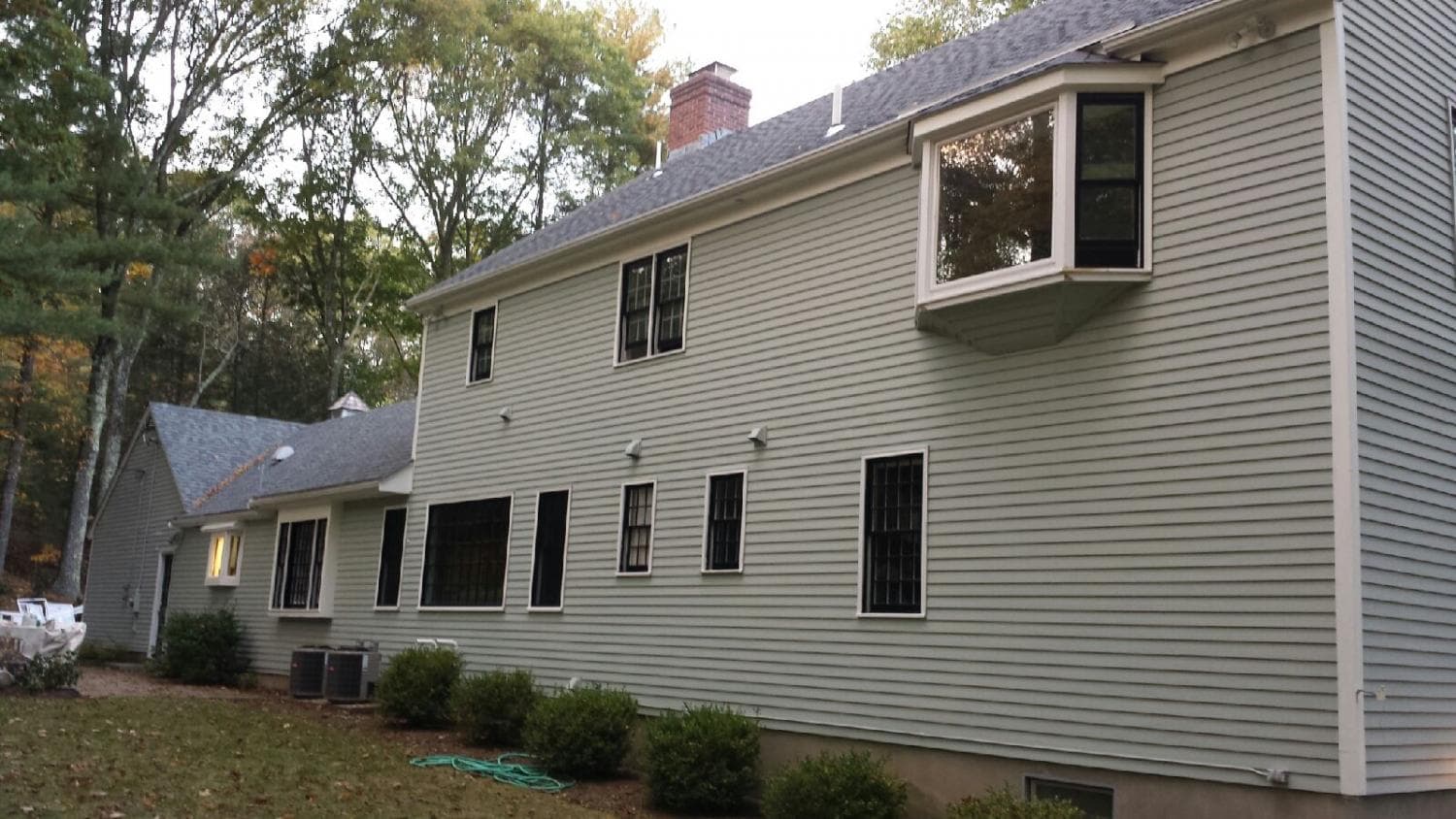
Why booking in spring matters.
Because the season is short, the good contractors fill their exterior schedules early. If you call once it's already warm, you may be looking at a start date late in the season, when the weather gets less forgiving.
- Get estimates in late winter or early spring. That gives you time to compare a few written quotes without rushing.
- Pick colors before the start date. Choosing on the ladder day slows everything down.
- Plan repairs into the same job. If trim or clapboards are rotted, it's easier to fix them before the painters arrive than halfway through.
- Stay a little flexible. Rain dates happen. A start window works better than a fixed day.
What happens before any paint goes on.
Most of what makes an exterior job last happens before the first coat. Paint over dirt, chalky old paint or loose flakes and it will fail along with whatever it's stuck to.
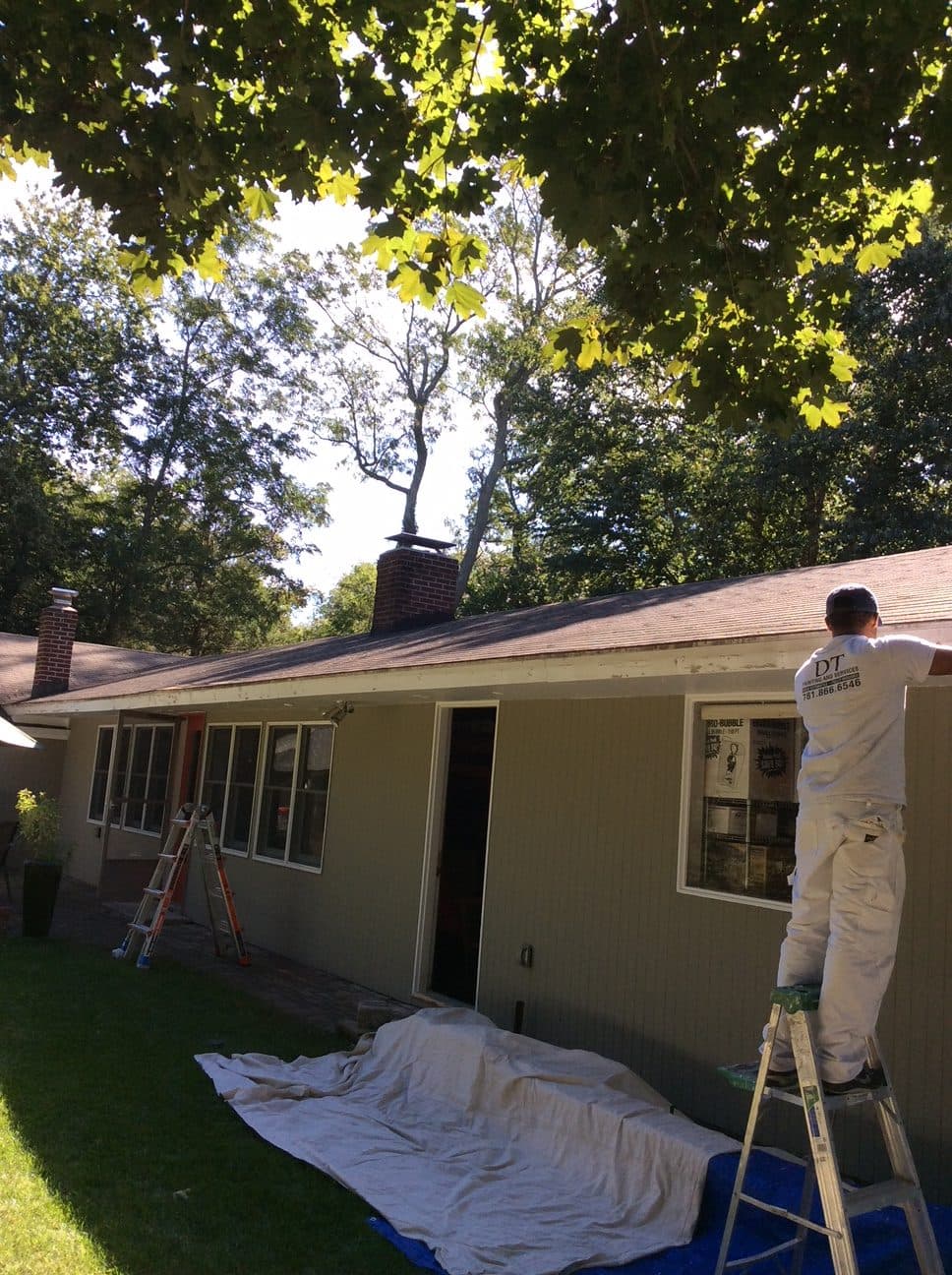
- Protect the ground. Drop cloths go over walkways, plantings and anything near the walls.
- Wash the siding. Dirt, mildew and salt film near the coast all get in the way of a good bond.
- Scrape loose paint. Anything flaking or lifting comes off.
- Sand the rough edges. Feathering the edges keeps old paint lines from showing through.
- Repair the wood. Rotted trim, sills or clapboards get replaced, not painted over.
- Caulk the gaps. Seams around windows, doors and trim get sealed so water stays out.
- Prime bare spots. Any exposed wood gets primer before the finish coats.
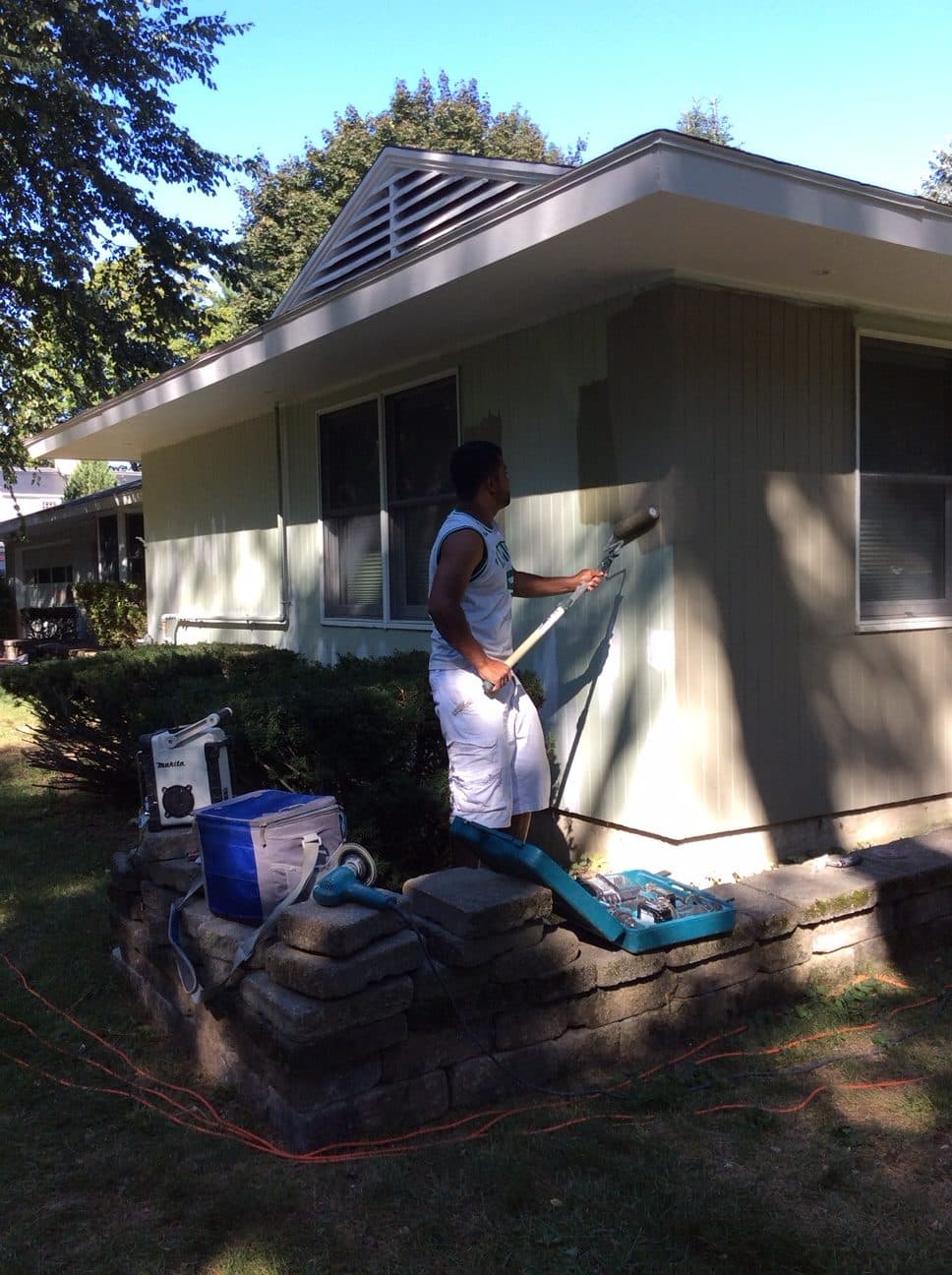
What you can do ahead of the crew.
You don't need to do any of the painting prep yourself. But a few things around the yard make the first morning go smoother.
- Trim shrubs and branches back from the walls so ladders can get close.
- Move grills, patio furniture, planters and bikes away from the house.
- Take down window boxes, hose reels, flags and wall decorations you want to keep.
- Turn off the sprinkler system so it doesn't soak fresh paint.
- Leave an outdoor spigot working so the crew can wash siding.
- Park cars away from the driveway side of the house.
- Keep windows closed on the side being painted that day.
- Let neighbors know if ladders will be near the property line.
Painting into the fall is possible, with limits.
Early fall is a favorite for a lot of painters. The humidity drops, the bugs thin out and the sun isn't as harsh. The catch is that the days get shorter and the nights get colder, so the working hours shrink.
Some paints are made for cooler temperatures, and the label will say so. Even then, the crew has to start later, finish earlier and watch the overnight forecast. Once nights regularly fall below what the can allows, it's time to wrap up and pick the job back up in spring.
Near the coast, salt air and wind add wear to paint on the exposed sides of a house, so it's worth asking your painter which walls need the most attention. If you're not sure where your house stands, our pages for house painting in Malden and house painting in Lynn cover what we see around here.
Common questions
Often, yes, as long as the days and nights stay above the minimum temperature on the paint can. Work days get shorter, and the crew stops early so the last coat can set before the evening cool-down.
Only once the siding has dried out. Surfaces can stay damp after a heavy storm even when the sun is out, so a careful painter checks the wood before starting.
No. Most homeowners go about their day. The crew just needs access to the yard, an outdoor water spigot and a way to reach you with questions.