Peel back one corner of wallpaper in an older house and you'll find out what kind of job you're in for. Sometimes it lets go in long, easy strips. More often it tears into little pieces, takes some of the wall with it or reveals a second layer underneath. That's normal for old paper, and it's why removal and wall repair usually go together.
Why old wallpaper fights back.
Wallpaper isn't hard to remove because of the paper. It's hard because of what's holding it on and what's been done to it since.
- Layers. Older homes often have two, three or more layers of paper, each one hung right over the last.
- Paint on top. Someone got tired of the pattern and painted over it. Now water and remover can't soak through to the glue.
- Old glue. Some older adhesives set up hard and don't soften easily, even with steam.
- No primer underneath. When paper was hung on bare drywall, the glue grabbed the drywall's paper face. Pull the wallpaper and the wall's face comes with it.
- Vinyl coatings. Some papers have a plastic-like top layer that water can't get through until it's scored or peeled off.
What's often under it in older New England homes.
Older houses around here often have plaster walls, sometimes over wood lath. Plaster is solid and quiet, but it has a long memory. Once the paper is off, you'll usually see some mix of these:
- Hairline cracks running from the corners of doors and windows.
- Larger cracks where the house has settled over the years.
- Spots where plaster has come loose from the lath and sounds hollow when you tap it.
- Old patches done with whatever was on hand at the time.
- Holes from nails, anchors and long-gone fixtures.
- Gouges left by scraping, especially where the glue was stubborn.
- Leftover glue residue across the whole wall.
None of this means the wall is ruined. It just means the wall needs work before it's ready for paint. The paper was hiding it, and now it's out in the open.
Patch, skim coat or new drywall?
There are three ways to fix a wall once the paper is off. Which one fits depends on how much damage there is and how solid the wall is underneath.
Patching
Patching works when the wall is mostly sound and the problems are spot problems: a few cracks, some holes, a gouge or two. Each one gets filled, sanded and primed. It's the lightest fix, but on a wall with lots of small flaws, the patches can show once the paint goes on, especially in raking light from a window.
Skim coating
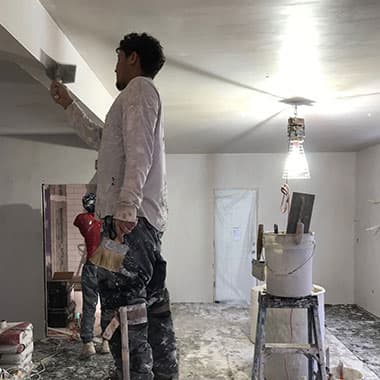
A skim coat is a thin layer of compound or plaster spread over the entire wall, then smoothed and sanded. It covers torn drywall paper, glue shadows, scrape marks and many small cracks all at once, so the wall reads as one even surface. It's the usual answer when the wall is solid but the surface is rough everywhere.
New drywall
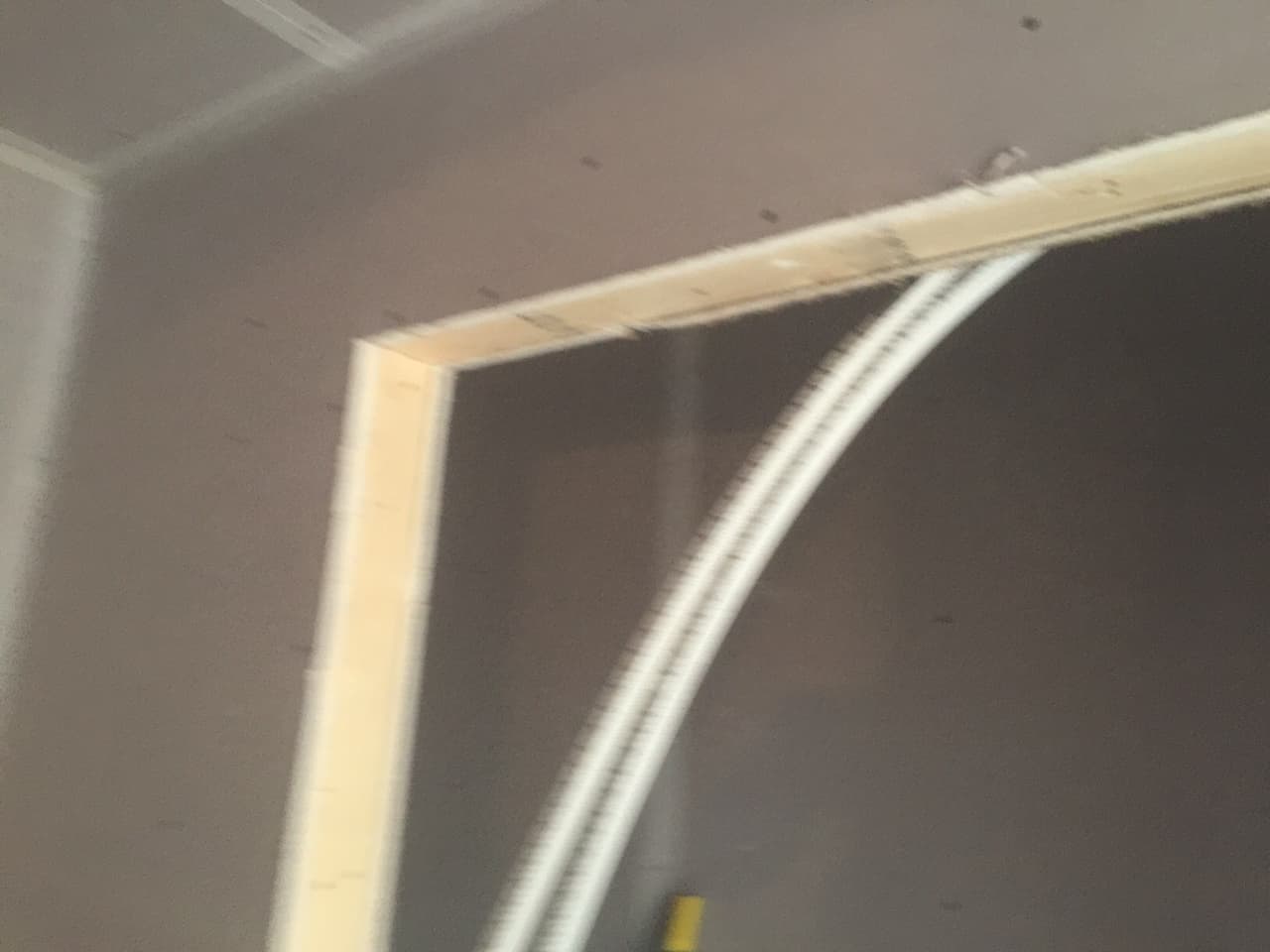
When plaster is loose across a large area, crumbling or badly cracked in many places, covering it up isn't enough. Sections may need to come down and be replaced, or new drywall hung over sound framing. It's the biggest job of the three, and it's usually saved for walls that can't be trusted.
- Press on the cracks. If the wall moves, it needs more than filler.
- Tap the wall. A hollow sound over a wide area points to loose plaster.
- Shine a flashlight along the wall at a low angle. Lots of shadows means a skim coat is worth it.
- Look at the corners and the ceiling line for long cracks that keep coming back.
- Ask for a walkthrough once the paper is off, before anyone commits to the repair method.
What the wall looks like mid-job.
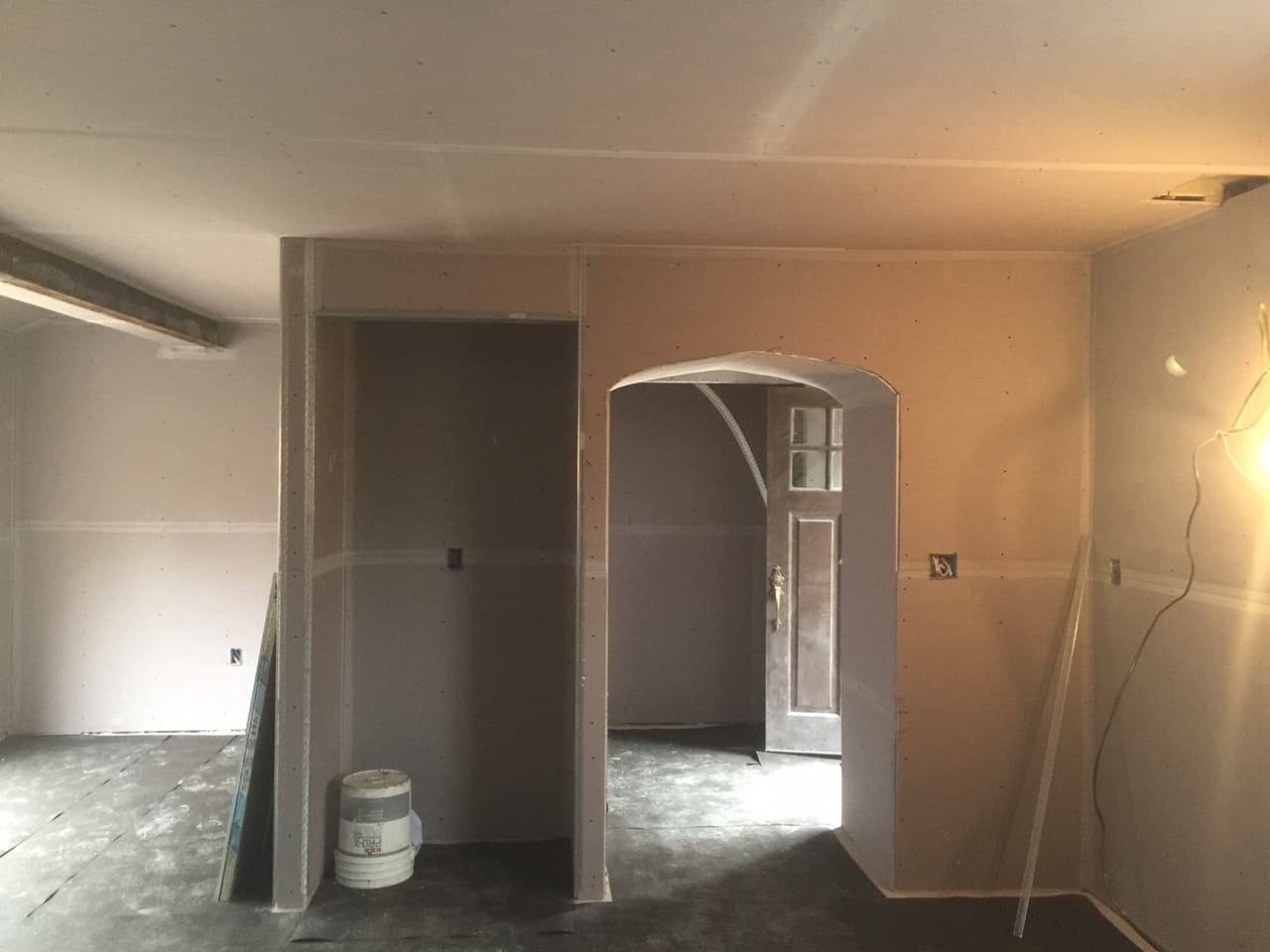
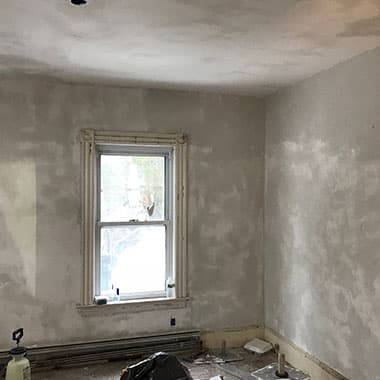
Here's the honest part: halfway through, the room looks worse than when you started. Expect a blotchy patchwork of gray and white compound, sanded spots, bare plaster and painter's tape. That's what it's supposed to look like.
- Protect the room. Floors covered, furniture out or wrapped, dust contained.
- Score and soak. The paper is scored if needed and soaked so the glue softens.
- Strip. Paper comes off layer by layer, scraped carefully to save the wall.
- Wash. The leftover glue gets washed off. This step matters more than people think.
- Repair. Loose plaster is secured, cracks are taped and filled.
- Skim and sand. Coats go on, dry and get sanded until the wall is flat.
- Prime. A primer seals the new surface before any paint.
Painting after the paper comes off.
Paint is the last step, and it only looks as good as the wall under it. Two things make the difference.
Glue residue has to go. Paint brushed over leftover wallpaper paste can crack, wrinkle or peel. The wall gets washed until it no longer feels slick or tacky.
New compound needs primer. Bare compound and plaster soak up paint unevenly, which leaves dull patches called flashing. A coat of primer evens it out so the finish coats look uniform.
After that, the finish coats go on like any other room. If you're also repainting the rest of the house, our guide on getting ready for interior painters covers colors, sheens and what to move. Homes with older plaster are common in places like Somerville, and the same steps apply anywhere.
Common questions
It's not a good idea. The compound can loosen the paper and cause bubbles or cracks later, so the paper should come off first.
It depends on the wall. A skim coat is the right fix for a solid wall with a rough surface; loose or crumbling plaster over a wide area usually needs replacing.
Because the paper was hiding cracks, patches and glue. Those get repaired and skimmed before paint, and the finished wall comes out smooth.